Truck Tire Inspection Guide: 7 Critical Checks for Safety & Performance
Published · Updated
A Truck Tire Inspection Guide is essential for fleet owners and truck drivers. It helps improve safety and extend tire life. Tire failures cause over 30% of truck breakdowns. This leads to dangerous accidents, costly repairs, and downtime. Routine inspections keep tires in good condition. They prevent blowouts, reduce fuel use, and enhance road safety. This guide offers a step-by-step approach to inspecting truck tires. It helps businesses avoid unexpected failures and ensures optimal performance.
Why Truck Tire Checks Matter
Truck tire inspections keep roads safe. They also improve fuel efficiency and help meet regulations. Inspections prevent blowouts from underinflated or damaged tires. A tire failure at high speed can cause serious accidents. This puts the driver and others at risk. Proper maintenance also affects fuel use.
Good tire care keeps you safe and saves money. Underinflated tires increase rolling resistance. This raises fuel costs. Regular inspections extend tire life. For fleet managers, this means big savings over time.
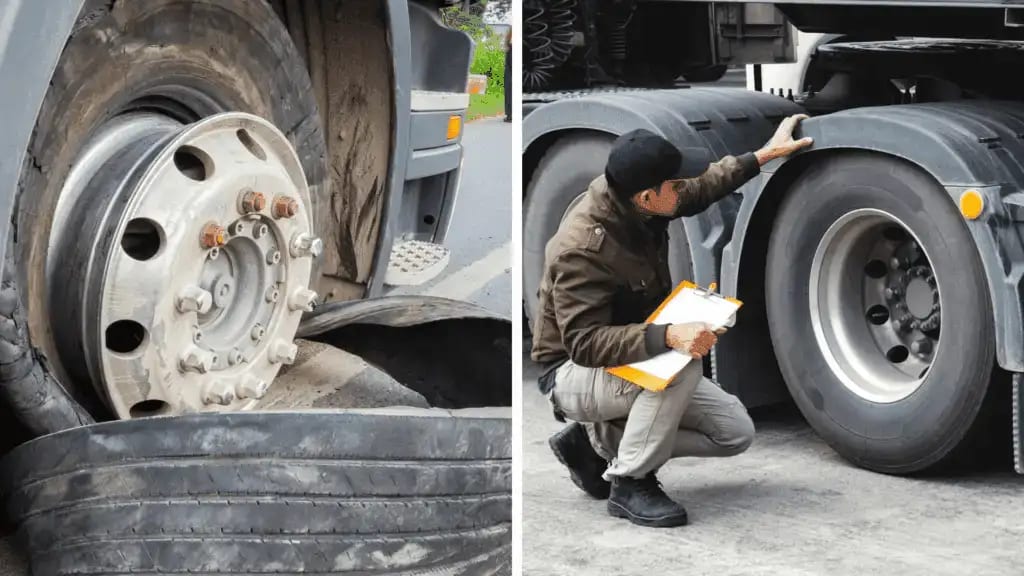
Truck tire inspection frequency: How Often Should You Inspect Truck Tires?
Truck tires need different inspection levels. Drivers should check tires daily before and after trips. These checks help spot damage, punctures, or wear early. This prevents failures during long hauls.
Weekly checks should measure air pressure, tread depth, and alignment. Fleet managers should do monthly deep inspections. These cover rotation, balancing, and wheel condition. Seasonal inspections ensure tires handle changing road conditions.
(Time to change your tires? Get quality tire options from PneusQuebec.net)

Truck Tire Inspection Guide: Key Steps in Tire Inspection and Maintenance.
Step 1: Check Tire Pressure
Proper tire inflation is key for safety and fuel efficiency. Underinflation or overinflation causes uneven wear, poor traction, and higher blowout risks. Use a quality gauge to check PSI. Match the manufacturer’s specs for your tire size. You can find recommended PSI on the truck’s tire placard or in the manufacturer’s guide. Correct any deviations immediately. This prevents excess rolling resistance and sidewall stress, which shorten tire life.
Step 2: Measuring Tread Depth & Wear Patterns
Tread depth affects grip, especially in wet or icy conditions. Regular measurements help prevent accidents. Use a tread depth gauge to check your tires. Steer tires must have at least 4/32 inches of tread. Drive and trailer tires must not fall below 2/32 inches, as required by law. Uneven wear like feathering, cupping, or bald spots shows misalignment, suspension issues, or bad inflation. Fix these problems quickly to avoid premature tire failure.
Step 3: Inspecting for Visible Damage (Cracks, Cuts & Bulges)
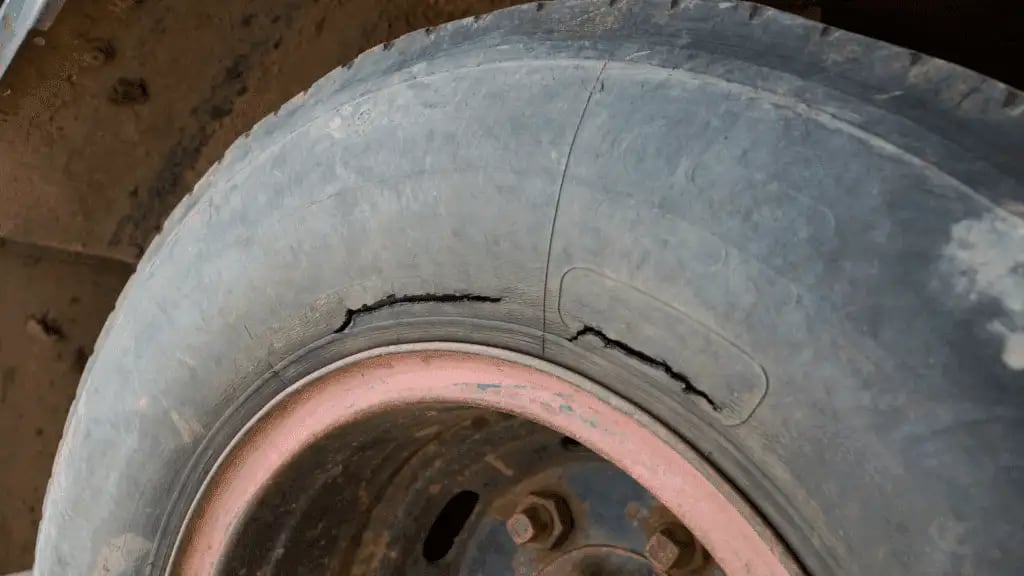
Physical damage can lead to dangerous blowouts. Carefully inspect the sidewalls and tread for cracks, cuts, or bulges. These signs show internal structural weakness. Cracks often come from aging or extreme temperatures. Deep cuts larger than 1/8 inch pose an immediate risk of failure. Bulges or bubbles on the sidewall mean internal air leaks from damaged cords. Replace these tires immediately before they rupture.
Step 4: Identifying Irregular Wear & Alignment Issues
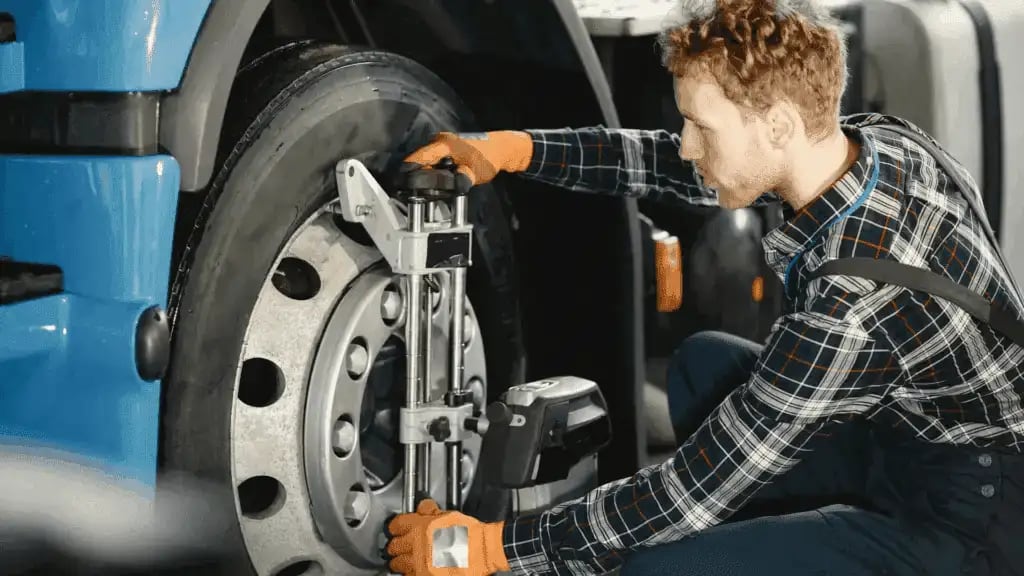
Uneven tire wear often signals mechanical issues like misalignment, improper inflation, or unbalanced wheels. These problems shorten a tire’s lifespan. Feathered edges suggest the wheels are toed-in or out. Cupping points to suspension problems. Excessive wear in the center or on the edges means the PSI levels are wrong. If you see irregular wear, get a wheel alignment and suspension check. This prevents further damage and improves handling stability.
Step 5: Examining Valve Stems & Caps
Valve stems and caps keep air pressure steady. This prevents slow leaks that cause underinflation and high rolling resistance. Make sure all valve caps are tight. Missing caps let dirt and moisture in. This causes corrosion, pressure loss, and potential tire failure over time.
Step 6: Inspecting Wheel Balance & Lug Nuts
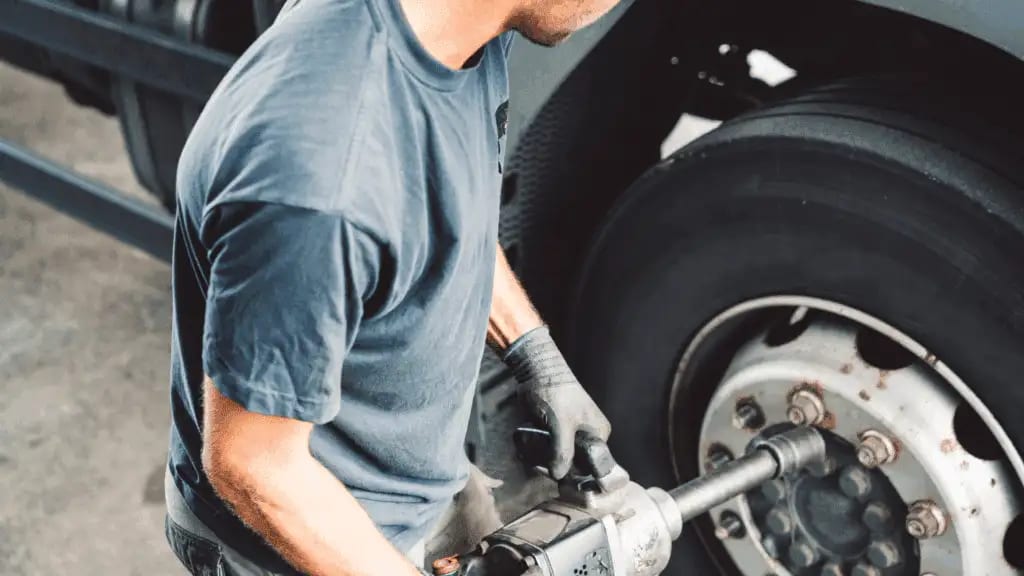
Unbalanced wheels cause vibrations. This leads to uneven tread wear, poor fuel efficiency, and a rough ride. Regular wheel balancing is essential. If you feel vibrations at highway speeds, your wheels need balancing. Use a specialized tire balancing machine for this. Also, check lug nuts with a torque wrench. Loose or overly tight nuts can cause the wheel to detach. This is a serious safety hazard.
Step 7: Reviewing Tire Age & Expiration
Rubber degrades over time, even if the tire looks good. This reduces its ability to handle road stress safely. The DOT code on the sidewall shows the manufacturing date. The last four digits are the week and year of production. Replace tires older than six years, regardless of tread depth or use. This prevents cracking and blowouts from dry rot.
Common Truck Tire Inspection Mistakes to Avoid
Proper tire maintenance is essential for keeping your fleet safe and running smoothly. However, many truck operators make common mistakes that can lead to costly breakdowns or even safety hazards. Here are the key pitfalls to watch out for—and how to avoid them:
1. Skipping Routine Checks
Many tire issues, like slow air leaks or internal damage, don’t show obvious signs at first. Regular inspections help catch problems before they lead to failures on the road.
2. Relying Only on Visual Inspections
A quick glance isn’t enough! Checking tire pressure with a gauge and measuring tread depth with the right tools ensures your tires meet safety standards. Undetected low pressure can cause uneven wear and increase the risk of blowouts.
3. Ignoring Small Cuts or Debris
Tiny cuts, embedded nails, or lodged debris may seem minor but can quickly turn into bigger issues. Over time, they weaken the tire structure and increase the risk of a sudden failure. Addressing these small issues early can save you from major repairs—or worse, a roadside emergency.
When to Replace Your Truck Tires
Fleet managers should set clear rules for when to replace truck tires. Key signs include worn tread, visible damage, alignment problems, and age over six years. Tracking these factors helps prevent failures. This improves safety and saves money.
Ready to Equip Your Fleet With New Tires?
Upgrade to premium semi truck tires from PneusQuebec.net. Our 10,000-tire inventory and direct importing mean unbeatable prices for fleet owners. Call (438) 817 4112 or email ventes@pneusquebec.net to get a quote.Buy tires in bulk for your fleet from our B2B portal. Explore our B2B portal today!
Frequently Asked Questions
How often should truck tires be inspected?
Daily pre- and post-trip checks are key, with weekly in-depth inspections for tread and wear. Monthly, have a pro assess alignment and balance.
What signs show my truck tires need replacing?
The key signs that truck tires need replacement include: Low tread depth Uneven wear patterns (cupping, feathering, scalloping) Visible cracks, bulges, or sidewall damage Persistent air pressure loss Age of the tire (typically over 6 years, even if tread is intact)
What is the minimum tread depth required for truck tires?
The minimum legal tread depth for commercial truck tires varies: Steer tires: 4/32 of an inch Drive and trailer tires: 2/32 of an inch Regular tread checks with a depth gauge can help ensure compliance and prevent safety hazards.
Conclusion
Regular truck tire inspections are critical for safety, fuel efficiency, and maximizing tire life. Check tread depth and PSI levels. Monitor sidewall damage and alignment. These essential checks keep your fleet running smoothly. They also reduce costly breakdowns.
For reliable, long-lasting truck tires, PneusQuebec.net offers premium products at competitive prices. Contact us today! Call (438) 817-4112 or email ventes@pneusquebec.net.
When to Replace Truck Tires: 5 Key Warning Signs Every Driver and Fleet Manager Must Watch For
7 Essential Tips to Prevent Semi-Truck Tire Blowouts and Reduce Unexpected Downtime