When to Replace Truck Tires: 5 Key Warning Signs Every Driver and Fleet Manager Must Watch For
Published · Updated
Replacing truck tires at the right time improves fuel efficiency, traction, and stability. Ignoring tire wear can lead to breakdowns or accidents. Good tires improve comfort and lower costs by saving fuel and extending vehicle life. This article covers the top warning signs that you need new tires. It also shows how regular maintenance saves money over time.
The Importance of Timely Tire Replacement for Truck Safety and Performance
Tires are key to truck performance. Worn or damaged tires hurt traction, braking, and stability. Ignoring tire replacement can cause blowouts, higher fuel costs, and legal issues. Industry stats show nearly 30% of truck breakdowns involve tires. This makes timely replacement essential for fleets. Worn tires reduce traction and increase stopping distances, especially in wet or icy weather. Replacing tires on time cuts fuel expenses and boosts fleet profits.

5 Warning Signs of Worn-Out Truck Tires
1. Low Tread Depth – Losing Grip on the Road
Tread depth affects your truck's traction, especially in wet or icy conditions. As tires wear down, they grip the road less well, increasing the risk of skidding and hydroplaning. The legal minimum tread depth for commercial truck tires in Canada is 1.6mm (2/32 inches). However, replacing tires before reaching this limit is highly recommended.
Quick Test for Tread Depth:
- Use a tread depth gauge to check wear.
- Look for uneven wear patterns, which may indicate alignment issues or improper inflation.
- Consider retreading if the casing is still in good condition.
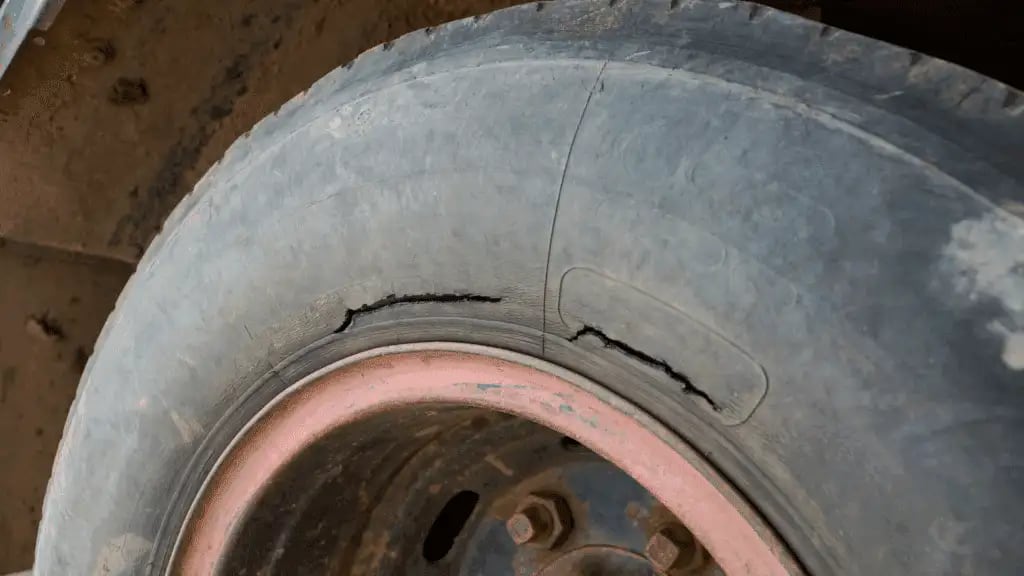
2. Sidewall Damage – Cracks, Bulges, and Cuts That Indicate Trouble
Sidewalls face constant threats from curbs, debris, and aging. Cracks, bulges, or cuts signal structural weakness and risk sudden blowouts—a major hazard for heavy trucks. Even minor sidewall damage can worsen and compromise tire integrity. Inspect your tires regularly. If you spot any of these issues, replace the tire immediately to keep your fleet safe.
3. Excessive Vibrations and Unusual Handling
Excessive vibrations while driving may mean the tires are unbalanced, misaligned, or damaged internally. Uneven wear or cupping causes a rough ride and affects stability. Minor issues can often be fixed by balancing or aligning wheels. However, persistent vibrations after service usually signal serious tire defects. Ignoring these signs can cause tire failure and costly repairs.
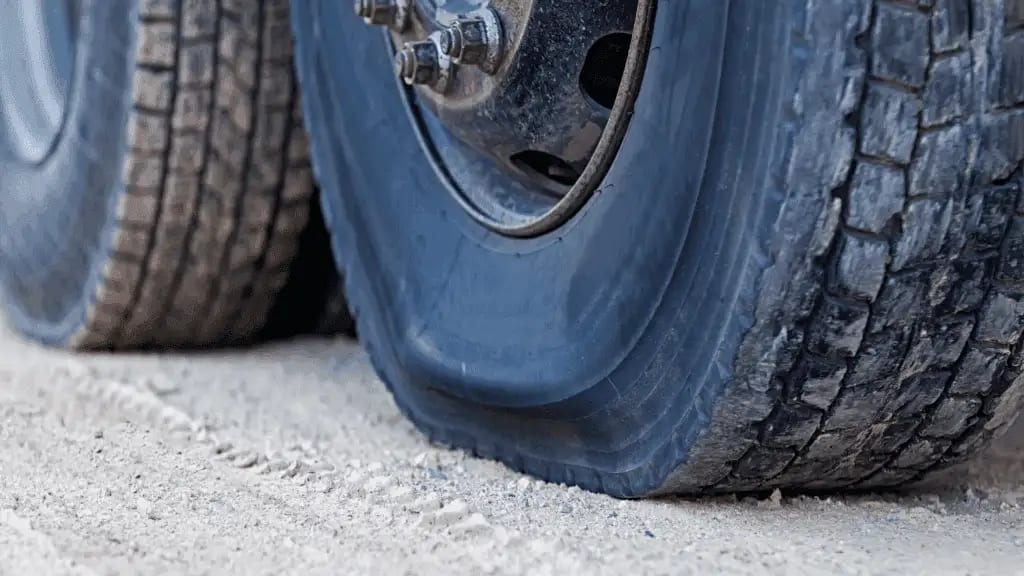
4. Frequent Loss of Air Pressure – A Sign of Internal Tire Wear
Tires that constantly lose air often have internal wear or hidden damage. Common causes include old valve stems, aging tire beads, or small punctures that grow over time. If a truck tire loses more than 10% of its recommended PSI per week, it needs inspection. Underinflated tires build up heat, raising the risk of blowouts. This is especially dangerous on long trips at high speeds. Properly inflated tires last longer and perform better.
| Tire Position | Column 2 | Column 3 |
|---|---|---|
| Steer Tires | 105–110 PSI | |
| Drive Tires | 90–100 PSI | |
| Trailer Tires | 90–95 PSI |
5. Tire Age – Why Even Unused Tires Can Be Unsafe
Tire age matters, even for spares or unused tires. Rubber compounds degrade over time due to environmental factors such as heat, humidity, and UV exposure. Commercial truck tires generally have a lifespan of 3-6 years, depending on usage and storage conditions. If a tire is over six years old, it should be carefully inspected, even if it appears to be in good condition. Aged tires are more prone to cracking and loss of elasticity, increasing the risk of sudden failure.
Best Practices for Extending the Life of Your Truck Tires
Extending truck tire life saves money and prevents downtime. Follow these best practices to make your tires last longer:
- Rotate tires regularly for even wear.
- Keep tires properly inflated to avoid strain.
- Check for damage after every trip.
- Align wheels often to stop early tread wear.
Learn more about extending truck tire life: How to Maximize Truck Tire Lifespan for Regional Fleets
- Rotate tires regularly for even wear.
- Keep tires properly inflated to avoid strain.
- Check for damage after every trip.
- Align wheels often to stop early tread wear.
Choosing the Right Replacement Tires for Your Truck
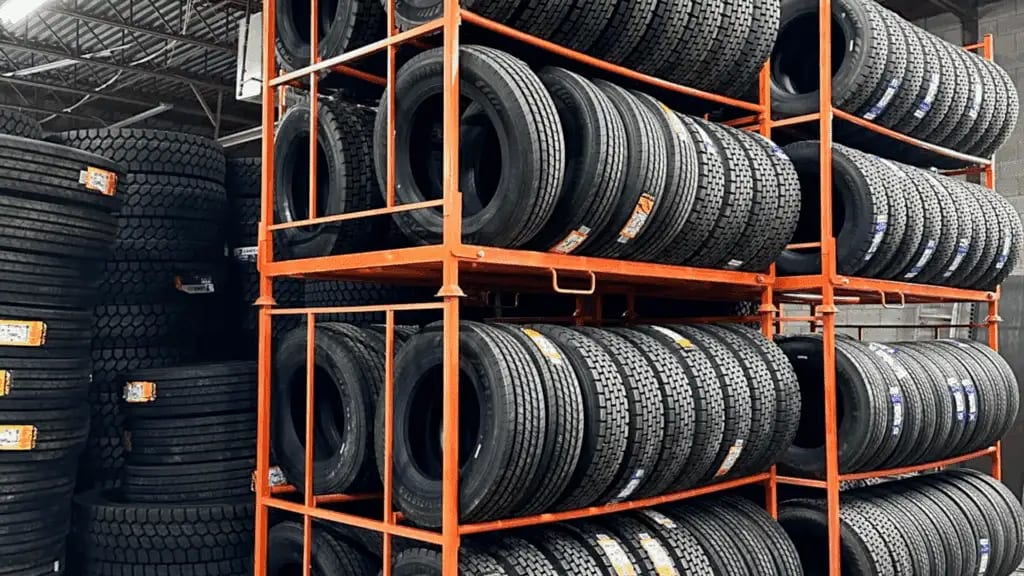
Picking the right semi-truck tires means matching size, load rating, and tread to your needs. Sizes like 17.5 to 24.5 suit various heavy trucks, while tread patterns tackle different weather patterns and trucks’ usage. PneusQuebec.net offers a vast inventory, including top-selling 11r22.5 tires, perfect for fleet purchases. Our competitive prices—thanks to direct importing—make upgrading affordable. Explore our range for your next bulk order.
Contact us today to consult an expert on the best tire choices for your fleet: Call (438) 817-4112 or email ventes@pneusquebec.net
Learn more: How to choose the right semi-truck tires for trucking fleet – for Canadian market
Buy High-Quality Truck Tires at PneusQuebec.net
Ensuring timely replacement of truck tires is essential for road safety, fuel efficiency, and cost savings. If your truck tires show any of these warning signs, it’s time to invest in high-quality replacements.
Why Choose PneusQuebec.net?
- Affordable Pricing – We import directly, ensuring competitive pricing.
- Massive Inventory – Over 10,000 truck tires in stock.
- Wide Selection – Sizes ranging from 17.5 to 24.5 inches for various truck applications.
- Exclusive B2B Portal – Fleet owners can access special pricing upon approval.
Unlock Our B2B Portal Today
Simplify fleet tire purchases with exclusive access to our B2B portal. Enjoy priority service and competitive rates. Call (438) 817-4112 or email ventes@pneusquebec.net to apply—get approved and start saving now!
Frequently Asked Questions
How often should truck tires be inspected?
Check tires regularly for wear, pressure, and damage. Regular inspections catch issues early to keep your fleet safe and efficient.
What are the best tires for long-haul trucks?
Low rolling resistance steer tires are ideal for fuel efficiency and highway longevity. Check these recommendations: 11R22.5 Steer Tires for Long Haul Trucks
Should I replace all my truck tires at once?
If budget allows, replace all tires at once for uniform wear and performance. Otherwise, replace in matching pairs (both tires on an axle) to maintain balance and safety.
Conclusion
Knowing when to replace truck tires is key for fleet safety, fuel efficiency, and performance. Check tread depth, sidewalls, and pressure to keep your truck safe on the road. Ignoring worn tires causes downtime and accidents. Proactive maintenance saves money long term. PneusQuebec.net sells high-quality, affordable truck tires. Contact us today for a quote!
How to choose the right semi-truck tires for trucking fleet – for Canadian market