Open vs. Closed Shoulder Drive Tires for semi trucks: Key differences, how to choose, and pros & cons
Published · Updated
When it comes to choosing the right drive tires for your semi-truck, the decision often comes down to open vs. closed shoulder drive tires for semi trucks—but which one is best for your needs? The right choice can impact everything from fuel efficiency and tire lifespan to traction and overall performance on the road. Open-shoulder tires excel in rough terrain and wet conditions, while closed-shoulder tires are preferred for long-haul efficiency and even tread wear. Understanding their differences can help truckers and fleet owners make smarter, more cost-effective decisions. In this guide, we’ll break down the key features, pros and cons, and best uses of each type to help you choose the ideal drive tires for your fleet.
What Are Open Shoulder Drive Tires?
Open shoulder drive tires have a tread with wide gaps between the outer blocks. This design helps grip better in off-road and winter conditions. The open spaces let mud, snow, and debris fall out easily. This keeps the tire clean and reduces slipping.
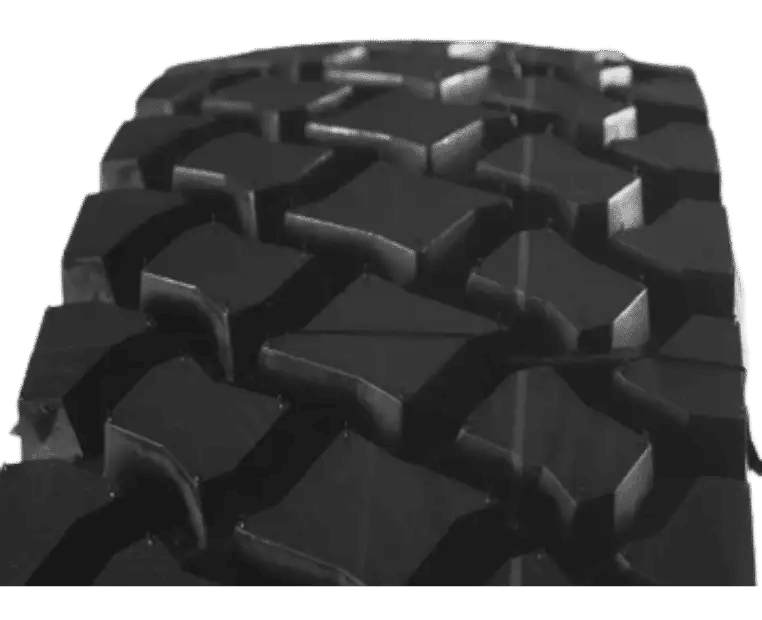
Ideal Use Cases for Open Shoulder Drive Tires
These tires are ideal for applications such as logging, construction, regional hauling, and situations where trucks frequently encounter adverse weather or rugged terrain.
Pros and Cons of Open Shoulder Drive Tires
Pros:
- Superior Traction: Works well in wet, snowy, and off-road conditions.
- Effective Self-Cleaning: The open design lets mud and debris fall out.
Cons:
- Higher Rolling Resistance: This can lower fuel efficiency on long trips.
- Faster Tread Wear: The tread wears faster on highways. You may need to replace them more often.
- Increased Road Noise: These tires are louder than closed shoulder tires.
Open Shoulder Drive Tire Recommendations:
Browse popular tire sizes highly recommended for open shoulder drive tires
| 235/75R17.5 | 11R22.5 | 11R24.5 |
What Are Closed Shoulder Drive Tires?
Closed shoulder drive tires have a continuous shoulder design. The tread blocks are connected at the tire’s edge. This design improves fuel efficiency by lowering rolling resistance. It also ensures even tread wear over time. These tires work well for long-haul trucking and highway use. They provide a quieter, smoother ride. Fleet operators often choose them to save on maintenance costs and keep trucks running longer.
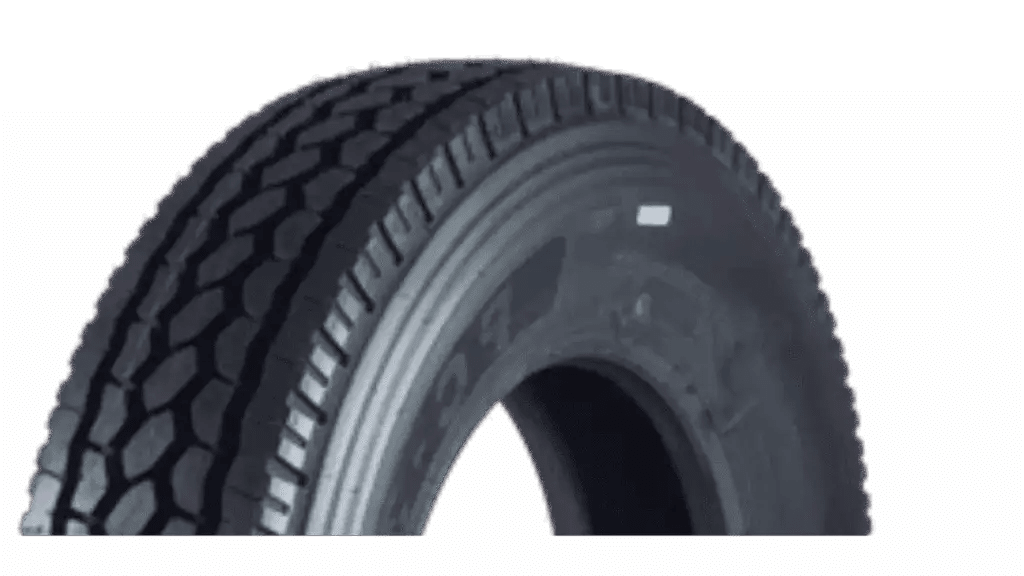
Ideal Use Cases for Open Shoulder Drive Tires
These tires are ideal for applications such as logging, construction, regional hauling, and situations where trucks frequently encounter adverse weather or rugged terrain.
Pros and Cons of Closed Shoulder Drive Tires
Pros:
- Better Fuel Economy: Lower rolling resistance saves fuel.
- Longer Tread Life: The connected shoulder design helps the tire wear evenly. This extends its life.
- Quieter Ride: These tires reduce road noise. They are ideal for long highway trips.
Cons:
- Less Traction Off-Road: They may not work well in extreme off-road or severe winter conditions.
- Higher Initial Cost: The advanced design can cost more upfront.
- Less Self-Cleaning: The continuous tread may not clear debris as well in harsh conditions.
Closed Shoulder Drive Tire Recommendations:
Browse popular tire sizes highly recommended for closed shoulder drive tires
| 215/75R17.5 | 245/70R19.5 | 275/70R22.5 |
Key Differences Between Open and Closed Shoulder Drive Tires
| Feature | Open Shoulder Drive Tires | Closed Shoulder Drive Tires |
|---|---|---|
| Tread Design | Distinct, widely spaced shoulder blocks | Continuous shoulder for even tread wear |
| Traction and Grip | Superior in off-road and winter conditions | Excellent on highways with stable grip |
| Fuel Efficiency | Higher rolling resistance may reduce fuel economy | Lower rolling resistance improves fuel efficiency |
| Tread Wear and Longevity | Potential for faster wear on highways due to design stress | Longer tread life with even wear distribution |
| Cost & Maintenance | Generally lower initial cost but may incur higher maintenance costs | Higher upfront cost with potential long-term savings through retreading options |
Frequently Asked Questions
What is the difference between open and closed shoulder drive tires?
Open shoulder tires offer better traction in off-road and winter conditions. Closed shoulder tires improve fuel efficiency and last longer.
Which drive tire is best for long-haul trucking?
Closed shoulder drive tires are best for long-haul trucking. They have lower rolling resistance and provide a smoother ride on highways.
How can I get a quote for my fleet orders?
Contact us at (438) 817 4112 or email ventes@pneusquebec.net.
Bulk Orders & Fleet Purchases – Get Your Competitive Quote Today!
Looking for a reliable, cost-effective solution for your fleets tires ? Now is the time to upgrade your tires! With our extensive range of semi truck tires—including both open and closed shoulder drive designs—PneusQuebec.net is your go-to destination for bulk orders.
Call us, email us, or visit our exclusive B2B portal to get started.
- Phone: (438) 817 4112
- Email: ventes@pneusquebec.net
- B2B Portal: Visit Our Portal
Our competitive pricing, vast inventory, and tailored services for fleet operations ensure that you receive the best value and performance for your business.
Conclusion
Choosing between open vs. closed shoulder drive tires for semi trucks comes down to your driving conditions and priorities. Open shoulder tires provide excellent traction for rough terrains, while closed shoulder tires enhance fuel efficiency and longevity for highway hauls. Making the right choice can improve performance and reduce costs in the long run. Need expert guidance or bulk pricing? Contact us via (438) 817 4112 or email us at ventes@pneusquebec.net to find the perfect drive tires for your fleet and keep your trucks running at their best!
Retread vs. New Truck Tires: Pros and Cons, Making the Right Choice for Your Fleet