Long-Haul Truck Tires: Compare Models, Axles and Fleet Costs
Updated
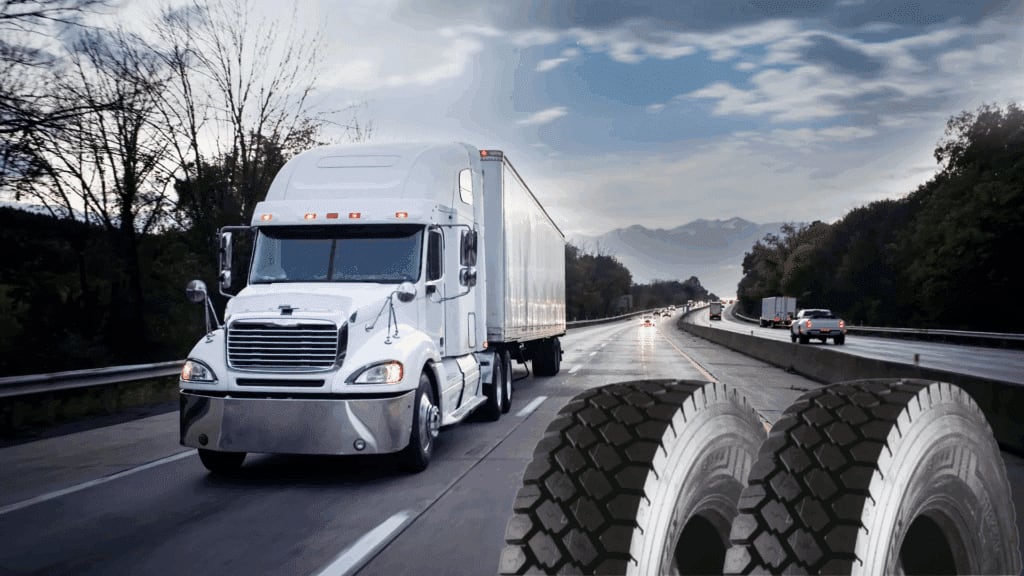
Choosing long-haul truck tires starts with the axle, the exact tire size and your operating conditions. There is no single best model for every fleet. This guide uses three real Pneus Québec catalog entries to show why a long-distance steer/trailer tire and a regional drive tire belong on different shortlists. It also includes a practical quote worksheet so you can compare offers on the same basis. The examples are catalog facts checked on October 23, 2026, not a road test or a promise of fuel savings.
Understanding Long-Haul Tire Demands
Long-haul trips cover thousands of kilometers on highways. These routes often have changing road conditions and weather. Unlike city driving, long-haul trucks face high heat, heavy loads, and steady highway speeds. The right tires for these jobs balance durability, comfort, and rolling resistance. This improves efficiency and safety.
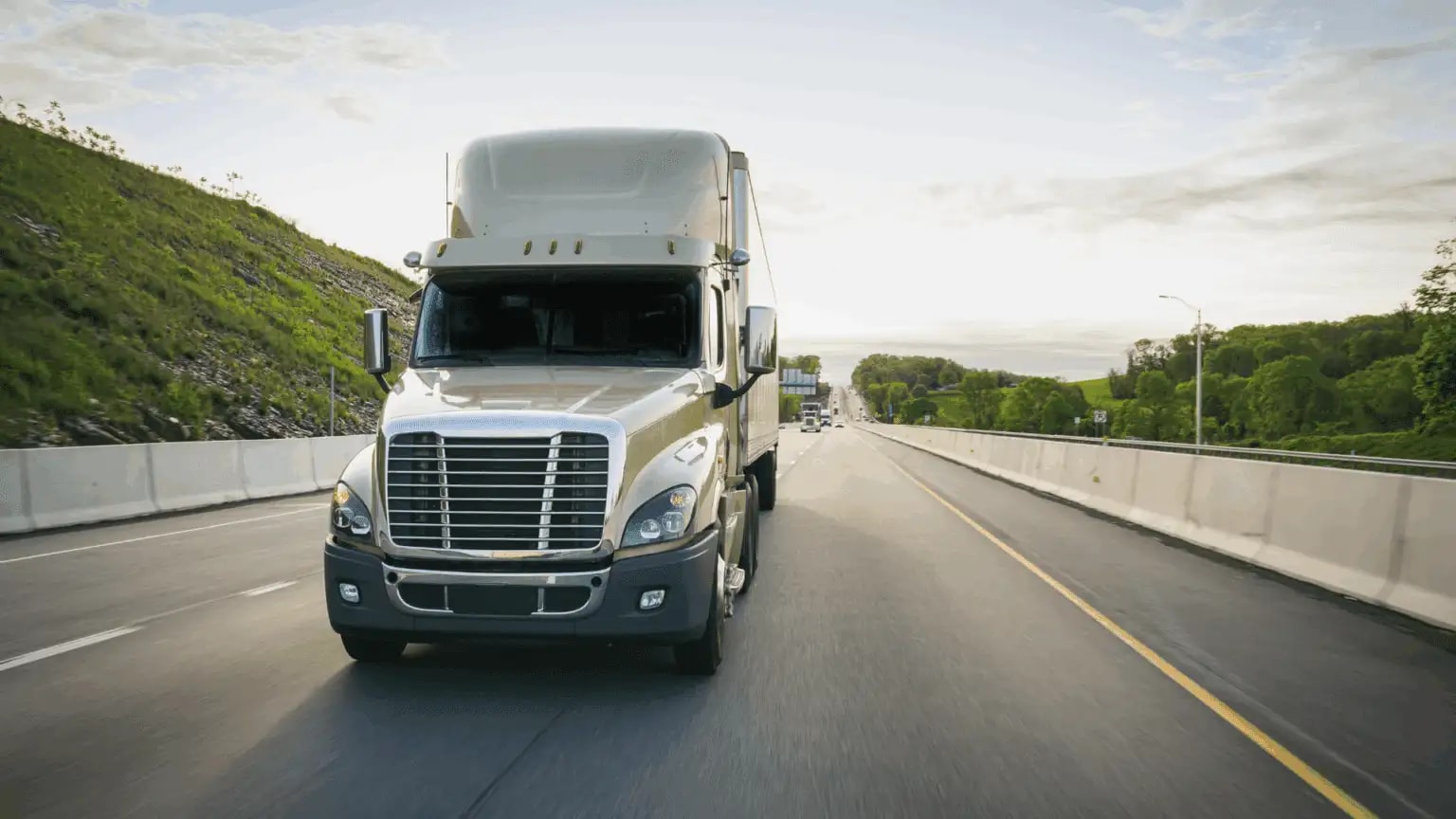
Long-haul vs. Regional Commercial Truck Tires: What’s the Difference?
Describe the route before comparing models: sustained highway operation, city stops, turning, loading yards and any off-road work. Manufacturer application recommendations matter more than a generic long-haul or regional label. A fleet that combines highway travel with frequent urban deliveries should give the supplier that full operating profile. Mileage and wear depend on the model and its service conditions; a regional designation alone does not establish shorter tire life.
Why Choosing The Right Commercial Truck Tires Matters for Long-distance
When your fleet travels thousands of kilometers across provinces or borders, tire choice is critical. The right tires boost efficiency, cut costs, and keep drivers safe. Here is why choosing the right truck tire matters:
- Enhanced fuel efficiency – Tires with low rolling resistance help reduce fuel use on long trips.
- Improved safety – Properly selected steer, drive, and trailer tires give better handling, braking, and stability.
- Longer tire lifespan – Durable tread and strong casings mean more miles before you need new tires.
- Reduced maintenance costs – Quality tires wear evenly and lower the risk of breakdowns on the road.
- Better traction and comfort – Tires made for long trips give steady grip and a smooth ride on many road types. They perform well for specific freight routes.
- Fleet productivity – Fewer road issues mean more uptime and fewer delivery delays.
What Are the Key Features to Look for in a Long-Haul Semi-Truck Tire?
1. Tread Design and Depth
Good tread design and depth are key for traction, even wear, and long life. For long trips, choose tires that keep steady contact with the road. They should resist uneven wear and last for thousands of kilometers.
2. Rolling Resistance
Low rolling resistance helps save fuel on long trips. Tires with better tread compounds and design use less energy as they roll. This helps fleets lower their fuel costs over time.
3. Casing Strength and Sidewall Protection
A strong casing supports heavy loads and keeps the tire shape during long trips. Reinforced sidewalls help stop damage from road hazards and curbs. This ensures better reliability over long distances.
Three catalog examples: why axle and route matter
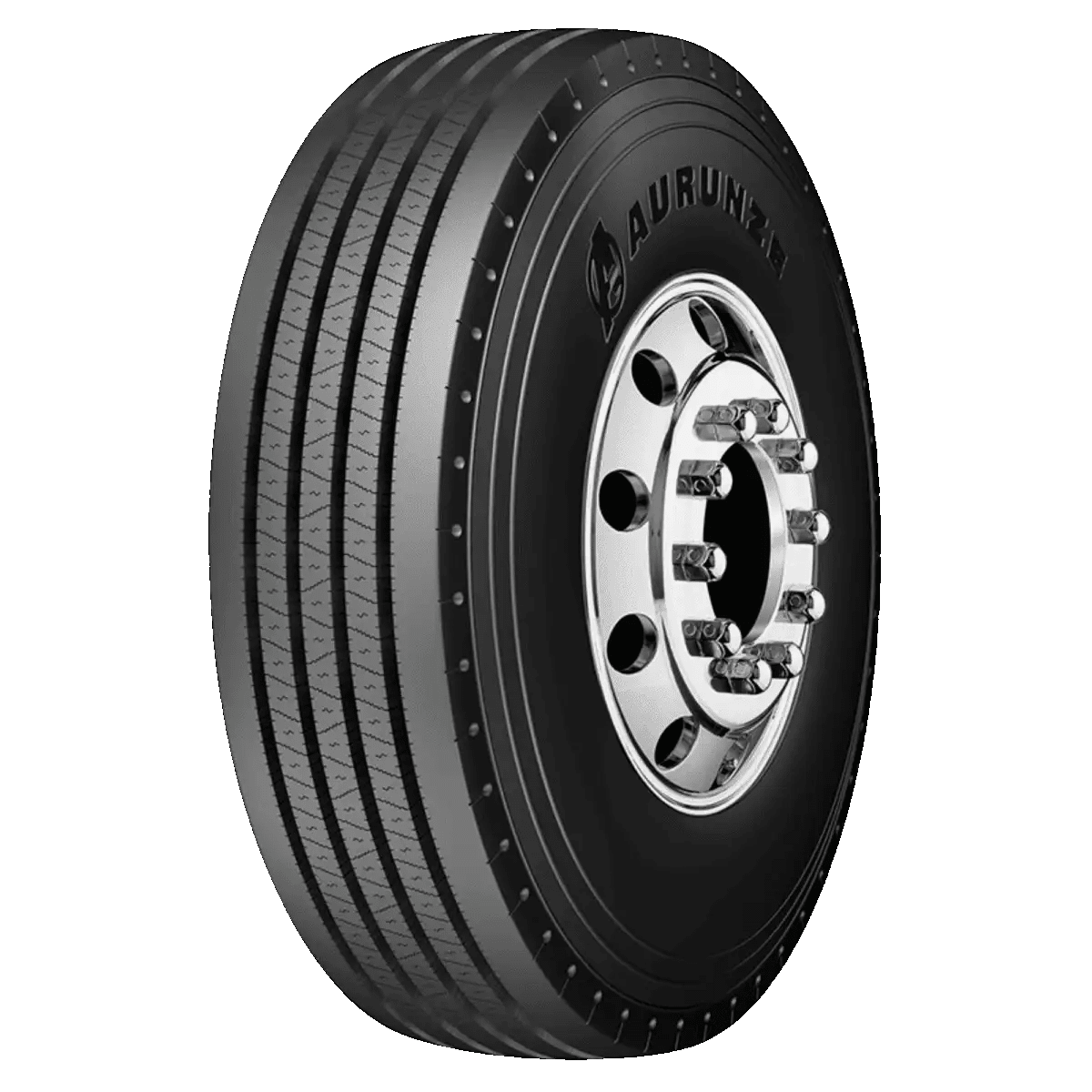
11R22.5 Aurunze S216Pro
- Catalog position: steer and trailer.
- Catalog application: long distance; 18-ply rating and 15 mm tread depth.
- A possible shortlist entry only after the vehicle and tire specifications are checked.
View model and request a quote
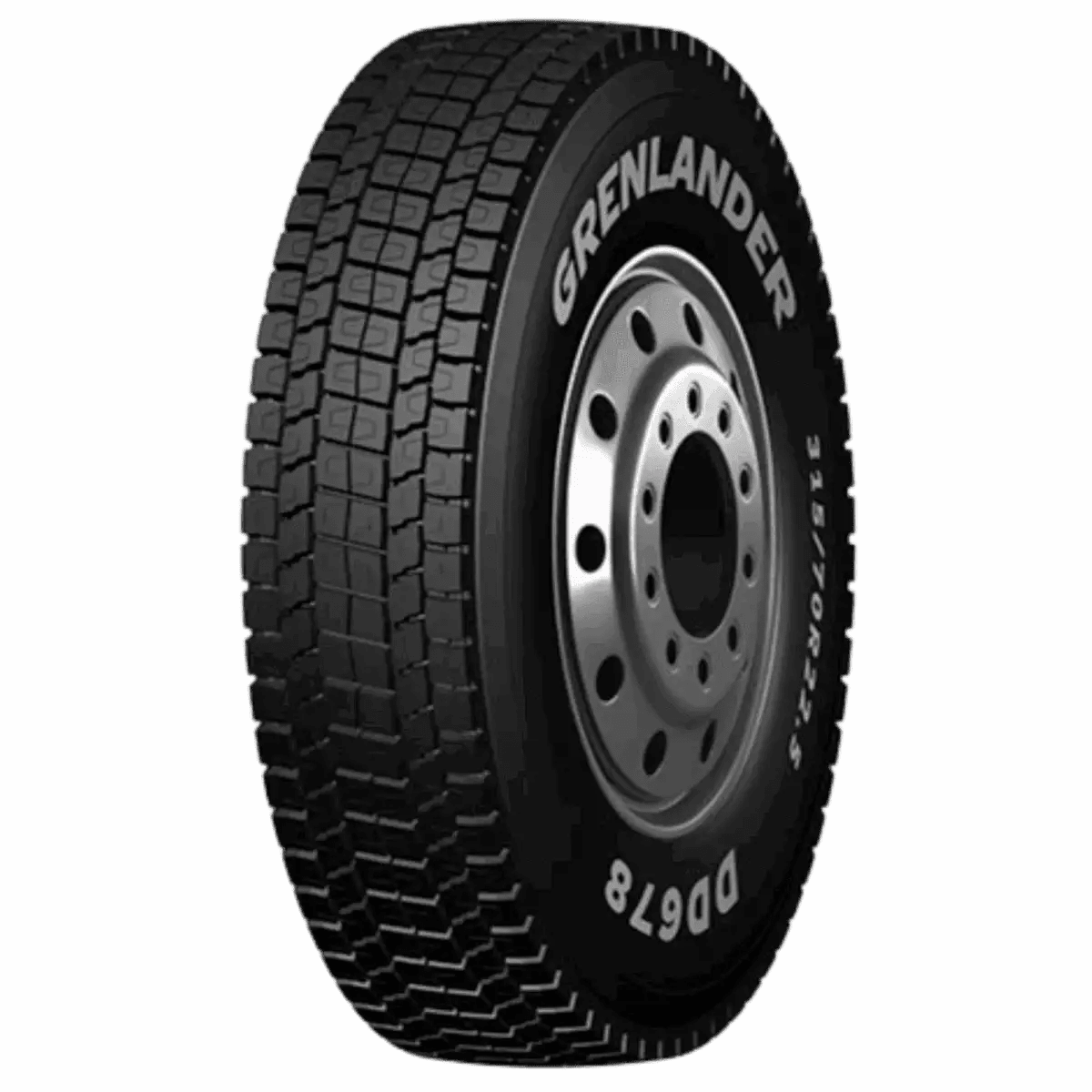
11R22.5 Greforce GR678
- Catalog position: drive.
- Catalog application: regional; 16-ply rating and 20 mm tread depth.
- This regional listing does not establish a long-haul recommendation. Ask for application confirmation.
View model and request a quote
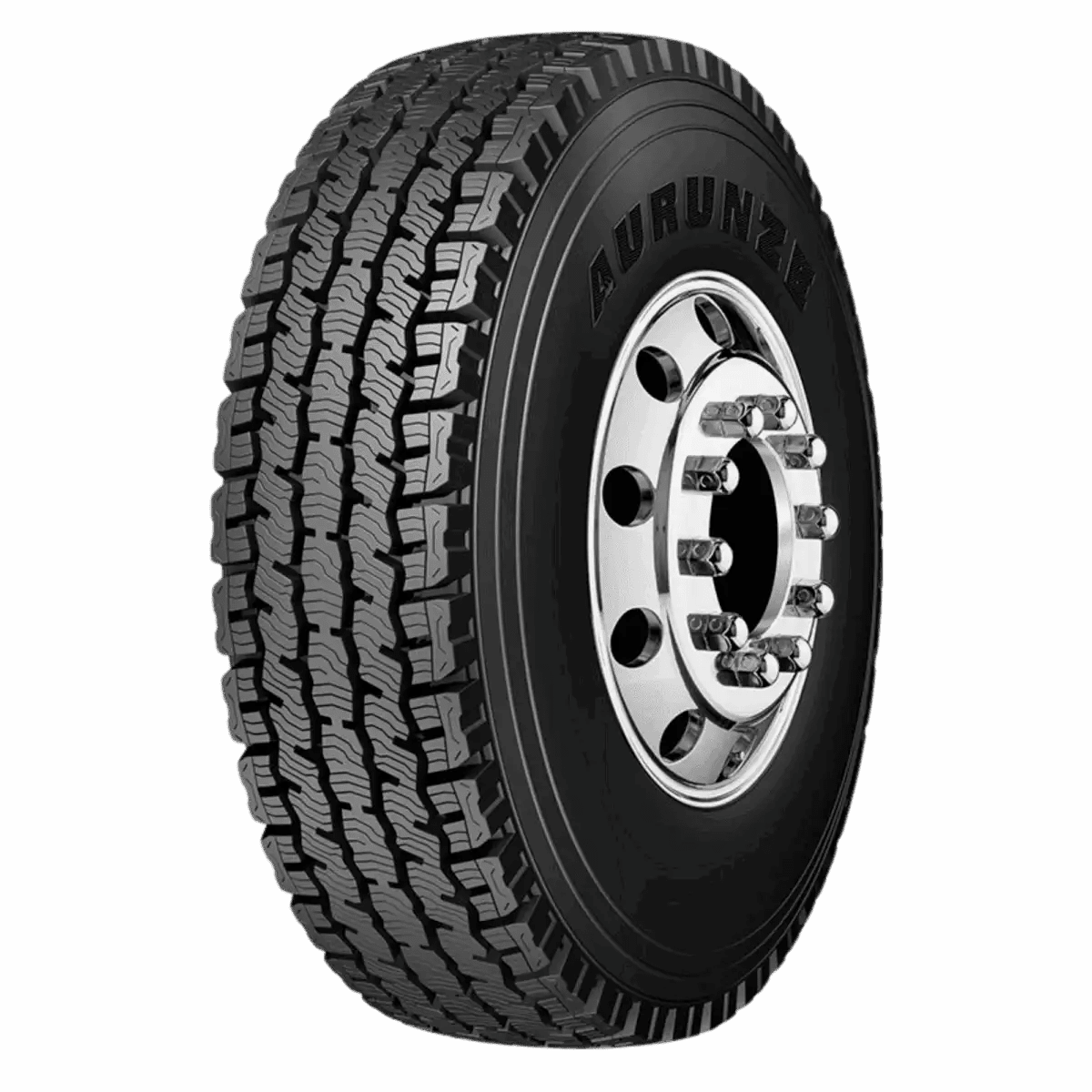
11R22.5 Aurunze AS128
- Catalog position: drive.
- Catalog application: regional; 18-ply rating and 22 mm tread depth.
- It is not presented here as a steer tire or as proof of winter certification. Confirm the exact specification.
View model and request a quote
How to Choose the Right Commercial Truck Tires?
Start with the vehicle manufacturer’s approved size and wheel requirements, the axle position and the actual operating load. Read the full tire service description and consult the exact manufacturer’s load/inflation and application documents. A larger rim diameter, a deeper tread or a higher ply rating alone does not establish compatibility or a higher permitted axle load. Common catalog sizes such as 11R22.5, 11R24.5 and 295/75R22.5 are not automatically interchangeable. Have a qualified tire professional confirm any proposed change.
Where to Buy the Top Quality Semi Truck Tires in Québec
Pneus Québec imports new heavy-truck tires and supplies customers from Saint-Léonard, Montréal. Historical import totals are not current inventory. Check each product page and ask us to confirm the available quantity, delivery arrangements and price for your order. Browse the current catalog rather than relying on a stock count printed in an older article.
Contact us for orders or inquiries: Call (438) 817 – 4112 or email ventes@pneusquebec.net
Frequently Asked Questions
What are the best commercial steer tires for long-haul trucking?
Choose a model approved for the steer axle and your application. The current Pneus Québec catalog lists the 11R22.5 Aurunze S216Pro for steer/trailer and long-distance use. That is a catalog example, not a ranking from comparative road tests. Confirm fitment, load capacity and the full service description before ordering.
What’s the best tire size for long-haul trucking?
Use the size and wheel combination approved for the vehicle and axle. 11R22.5 and 11R24.5 require different rim diameters; a larger size is not automatically suitable for a heavier load. Compare the exact manufacturer specifications and consult a qualified tire professional before changing size.
How do I know if a semi truck tire is highway-rated?
A speed symbol is one part of the tire service description, not a universal highway-approval badge. Confirm the exact model’s permitted application, load, inflation and speed conditions in the manufacturer’s documentation. Do not select a tire solely because its sidewall contains a particular letter.
Fleet quote worksheet: compare the same job
Use one line per axle/application when requesting a quote. This worksheet separates the information you supply from the specifications and commercial terms the supplier must confirm. It does not calculate a safe pressure or replace a fitment assessment.
| Record from your fleet | Ask the supplier to confirm |
|---|---|
| Vehicle and axle position; existing sidewall size | Exact model, approved position, wheel fitment and service description |
| Route mix and operating conditions | Manufacturer application recommendation and supporting documents |
| Quantity and required date | Available quantity now versus incoming stock |
| Pickup or delivery location | Freight, installation, taxes and other applicable charges |
| Comparable previous purchase and recorded distance | Cost per kilometer only when you have actual service records; no estimated savings |
For a documented cost-per-kilometer comparison, use your actual tire purchase and attributable service costs divided by the distance recorded for the same tire or comparable set. Keep different routes, loads and removal reasons separate. We do not publish an unmeasured mileage or fuel-saving claim for the catalog examples above.
Compare current 11R22.5 models
Send your fleet requirements to Pneus Québec
Manufacturer reference: understanding truck tire sizes
Conclusion
The best semi truck tires for long-haul transport offer a perfect blend of durability and fuel efficiency that keeps your fleet moving efficiently. With the right tire setup, you’ll boost safety, reduce operating costs, and increase uptime. Trust PneusQuebec.net to supply the right options for your route and budget, backed by expert guidance and support.